AI WhatsApp Agent for Healthcare: Improve Patient Support
Struggling with high patient query volume? Discover how an AI WhatsApp agent for healthcare, integrated with Zoho, can provide instant answers 24/7.

Share This Article
Table of Contents
Foundational Fixes: Streamline Your Core Operations
The patient journey begins long before they see a doctor. Clunky, inefficient processes like appointment booking and long waits are major sources of frustration that set a negative tone for the entire visit. Fixing these foundational issues is the first and most critical step toward improving patient satisfaction. When you streamline core operations, you’re not just making things faster; you’re showing patients you respect their time and are committed to providing a frictionless experience.
These initial touchpoints have an outsized impact on a patient's overall perception of your clinic. By optimizing scheduling and minimizing wait times, you reduce patient anxiety and free up your staff to focus on providing high-quality care instead of managing logistical bottlenecks.
Strategy 1: Simplify Your Appointment Scheduling Process
Nothing damages patient experience faster than a frustrating booking system. If patients have to call multiple times, wait on hold, or navigate a confusing online portal, they start their journey with a negative bias. The goal is to make scheduling an appointment as easy as ordering a coffee. Offer multiple, convenient options like a user-friendly online booking system, a dedicated phone line, and even a simple callback request form on your website. The key is reducing the number of steps and the effort required from the patient.
Strategy 2: Reduce In-Clinic Wait Times
Excessive wait times are one of the most common complaints in healthcare. It signals disorganization and a lack of respect for the patient's schedule. To tackle this, analyze your patient flow to identify bottlenecks. Implementing a digital check-in system allows patients to complete paperwork from home before their visit. Additionally, use your scheduling software to set realistic appointment durations based on the reason for the visit, preventing a domino effect of delays. Communicating transparently about any unforeseen delays is also crucial.
Enhance Patient Communication and Engagement
Clear, consistent, and empathetic communication is the lifeblood of a positive patient experience. Patients often feel vulnerable and anxious; a lack of information only magnifies these feelings. From appointment reminders to follow-up care instructions, every interaction is an opportunity to build trust and demonstrate that you care about their well-being. Proactive communication prevents misunderstandings, manages expectations, and assures patients they are in capable hands.
Poor communication leads to missed appointments, non-adherence to treatment plans, and negative reviews. By creating a robust communication strategy, you empower patients with the information they need, when they need it, turning a potentially stressful process into a supportive partnership.
Strategy 3: Proactively Communicate Delays and Updates
Silence creates anxiety. If your clinic is running behind schedule, don't leave patients waiting in the dark. A simple, proactive message—whether via SMS, a waiting room screen, or a personal update from the front desk—can transform a frustrating wait into an understandable one. This small act of transparency shows respect for the patient's time and helps manage their expectations, significantly reducing irritation and preventing negative feedback before it even starts.
Strategy 4: Provide Multiple Channels for Communication
Patients have different communication preferences. While one person prefers a phone call, another may favor the convenience of a WhatsApp message or an email. Offering multiple channels for non-urgent communication, such as appointment changes or prescription refill requests, empowers patients to connect with you in the way that best suits them. This flexibility reduces phone line congestion for your staff and provides a better, more accessible experience for everyone.
Strategy 5: Personalize the Patient Follow-up Process
Generic, automated follow-up messages feel impersonal. A personalized approach shows genuine care and improves health outcomes. Instead of a simple "Your visit is complete," try sending a summary of their care plan, links to relevant educational resources, or a direct prompt to ask any lingering questions. This can be as simple as using their first name and referencing the specific doctor they saw. This level of detail makes patients feel seen and valued, not just like another number in your system.
Empower Your Staff to Deliver Excellent Service
Your front desk staff, nurses, and administrators are the face of your practice. No matter how advanced your technology or streamlined your processes, a negative human interaction can undo all your hard work. An empowered, well-equipped team is your greatest asset in delivering exceptional patient care. This goes beyond basic "customer service training" and involves giving them the tools, information, and autonomy to solve problems effectively and compassionately.
When your team feels supported and confident, it translates directly into better patient interactions. Investing in your staff’s training and resources is an investment in your clinic's reputation, as they are the ones who manage patient emotions, answer difficult questions, and turn potentially negative situations into positive ones every single day.
Strategy 6: Equip Staff with the Right Tools and Information
A frustrated employee creates a frustrated patient. When your staff has to toggle between multiple systems to find a patient's record or booking history, it causes delays and looks unprofessional. Equip them with a unified system, like a robust CRM, where all patient information is accessible from a single dashboard. This allows them to answer questions quickly and accurately, resolve issues on the first try, and provide a smooth, confident service experience.
Strategy 7: Implement Empathy and Active Listening Training
Healthcare interactions are often emotionally charged. Standard customer service scripts fail because they don't account for a patient's anxiety or pain. Train your staff in empathy and active listening techniques. This involves teaching them to validate a patient's feelings ("I understand this is frustrating"), paraphrase their concerns to confirm understanding, and offer solutions with a compassionate tone. This human-centric approach de-escalates tense situations and builds deep, lasting patient trust.
Leverage Technology for a Seamless Experience
In today's digital world, patients expect the same level of convenience from their healthcare provider as they get from retail or banking. Technology is no longer a luxury; it's a fundamental tool for meeting modern patient expectations and improving operational efficiency. By automating routine tasks and centralizing information, you free up your human staff to focus on what they do best: providing empathetic, high-quality clinical care.
Strategic use of technology can solve many of the systemic issues that lead to poor service. From automated reminders that reduce no-shows to integrated systems that provide a complete view of the patient journey, the right tools can create a proactive, seamless, and patient-centric experience that sets your clinic apart.
Strategy 8: Automate Routine Inquiries and Reminders
Your front desk staff spends countless hours answering the same questions: "What are your hours?" "Do I need to fast before my appointment?" and "Can you confirm my visit?" Automating these routine tasks is a game-changer. An AI-powered tool like an AI WhatsApp Agent can handle these FAQs 24/7, send automated appointment reminders, and even collect pre-visit information. This frees up your team for more complex patient needs and ensures patients get instant, accurate answers.
Strategy 9: Use a Centralized Patient Information System
Disjointed information is a recipe for disaster. When a patient's billing information, medical history, and communication preferences are stored in separate silos, it's impossible to provide cohesive service. A centralized system, like a Zoho CRM tailored for healthcare, gives every staff member a 360-degree view of the patient. This ensures that anyone who interacts with the patient has the full context, leading to more personalized, efficient, and safer care.
Build a Culture of Continuous Improvement
Fixing bad customer service isn't a one-time project; it's an ongoing commitment to listening, learning, and evolving. The most successful healthcare practices are those that actively seek out patient feedback and use it as a roadmap for improvement. Creating a culture where feedback is welcomed—and acted upon—is the key to long-term success and building a reputation for excellence.
This final step closes the loop, turning patient experiences, both good and bad, into actionable data. By systematically collecting, analyzing, and responding to feedback, you move from being reactive to proactive, addressing small issues before they become major complaints and demonstrating to your patients that their voice truly matters.
Strategy 10: Implement a Robust Patient Feedback Loop
Don't wait for a negative online review to learn about a problem. Proactively solicit feedback after every key interaction—a visit, a phone call, or an online booking. Use simple, automated surveys via email or SMS to ask patients about their experience. Most importantly, have a clear process for reviewing this feedback and assigning responsibility for making changes. When patients see that their suggestions lead to real improvements, they become loyal advocates for your practice.
Related Case Studies
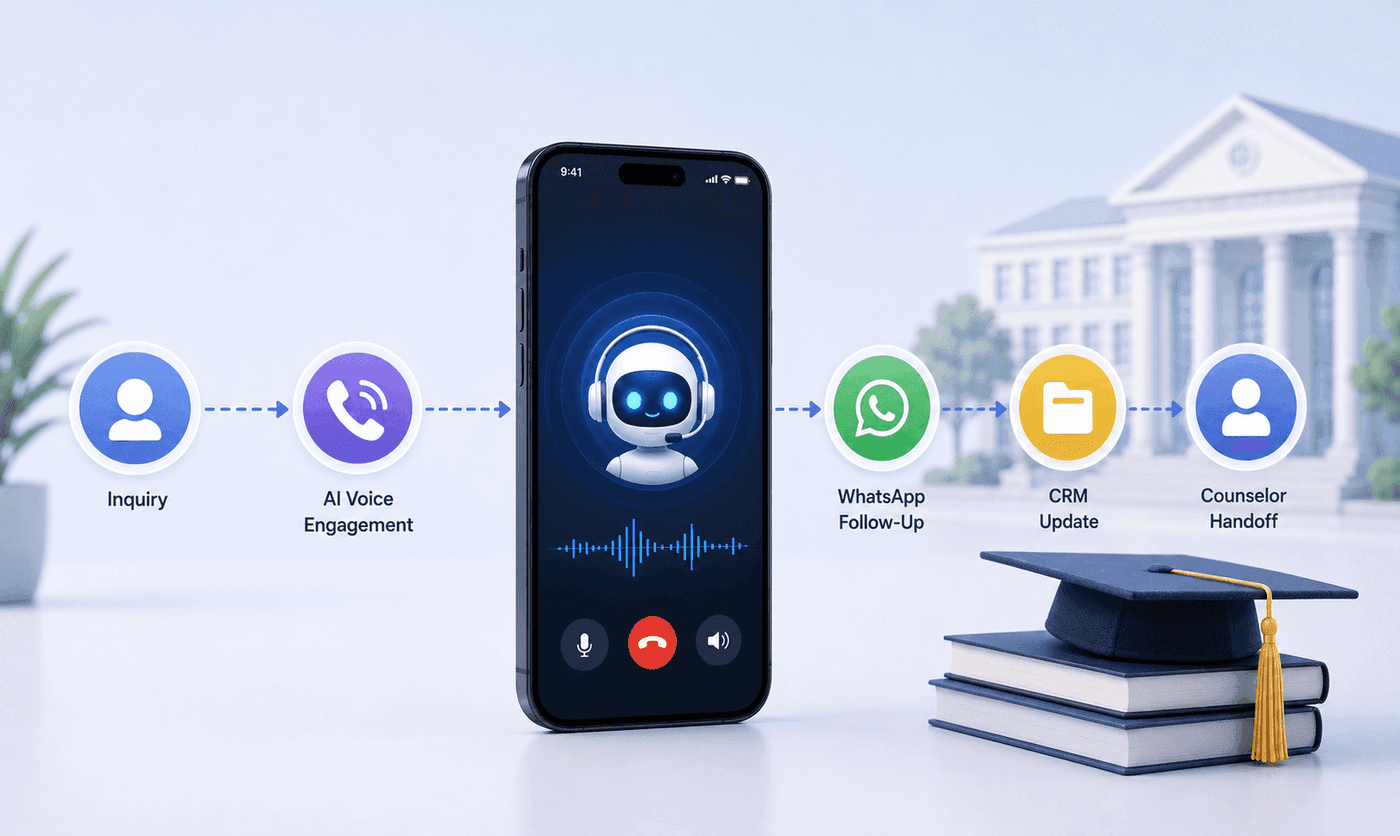
How an Executive Education Institution Automated Its Entire Admissions Workflow Using AI Voice and WhatsApp
How an executive education institution automated admissions from first call to counselor handoff with AI voice, WhatsApp, and CRM syncing.
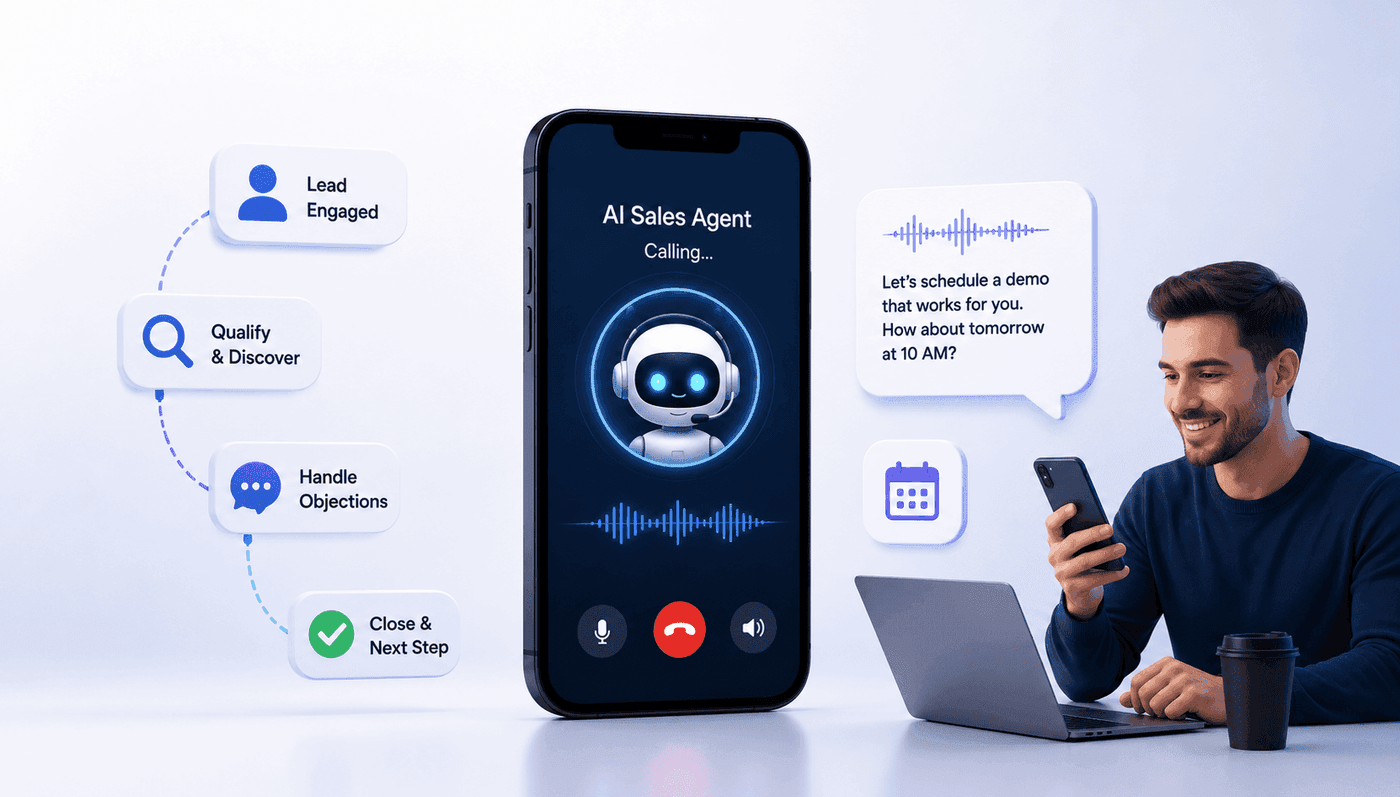
How a Music Academy Uses AI Voice Agents to Qualify Leads and Close Sales
How a music academy deployed AI voice agents to automate lead qualification, schedule trial classes, and boost course enrollments.
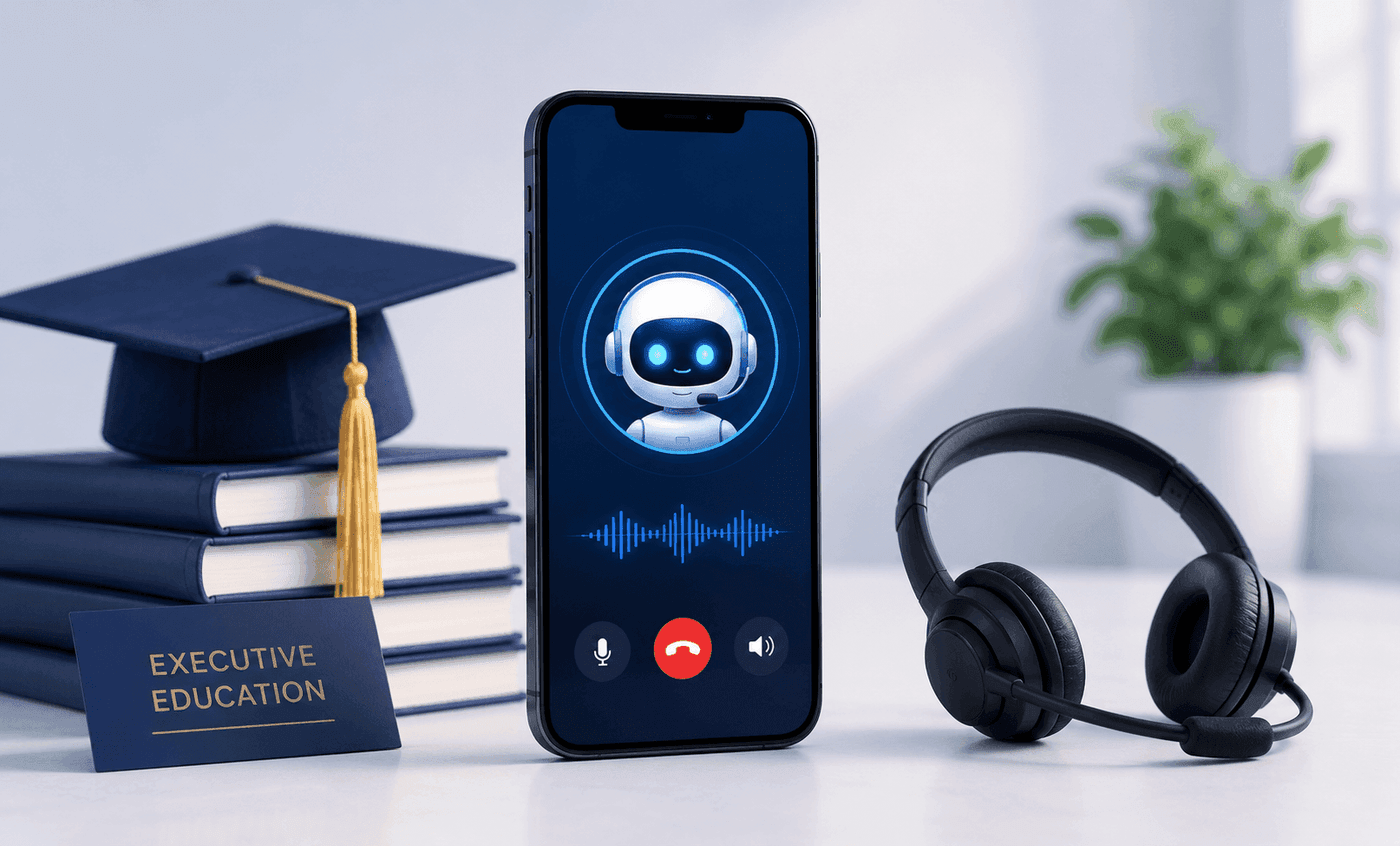
How an Executive Education Provider Is Using AI Voice Agents to Qualify 10,000 Leads a Month
How an executive education provider used AI voice agents to qualify 10,000 leads a month, automate screening, and boost admissions.