9 Ways AI Voice Agents Reduce Customer Wait Times
Long hold times hurting your retail business? Discover how AI voice agents can cut customer service delays and boost satisfaction. Learn 9 key strategies.

Share This Article
Table of Contents
Elevate the Post-Purchase Experience
The moment a customer clicks "buy" is the beginning, not the end, of their journey with you. The post-purchase experience is where transactional relationships transform into loyal ones. This phase is your opportunity to validate their decision, exceed expectations, and lay the groundwork for future purchases. Too many D2C brands focus all their energy on acquisition and treat the post-purchase flow as a simple logistical step. This is a missed opportunity.
By thoughtfully designing every touchpoint—from the order confirmation email to the product's arrival—you reinforce your brand's value. A superior post-purchase journey reduces buyer's remorse, decreases support tickets, and makes the customer feel cared for. It’s a powerful driver for increasing customer lifetime value and turning one-time buyers into repeat customers.
Create a Memorable Unboxing Experience
The unboxing is the first physical interaction a customer has with your brand, making it a critical moment for emotional connection. Go beyond a plain brown box and a packing slip. Think of it as a gift-giving experience. Use branded packaging, eco-friendly materials that reflect your values, or even a handwritten thank-you note.
Including a small, unexpected sample of another product can also delight the customer and introduce them to more of your catalog. These thoughtful details make the experience shareable on social media, generating organic buzz and turning customers into brand advocates.
Proactive Shipping & Delivery Communication
Anxiety around shipping is a major point of friction. Don't wait for customers to ask, "Where's my order?" Set clear expectations from the start and provide proactive, branded updates. Instead of relying solely on the carrier's generic notifications, send your own emails or SMS messages that reinforce your brand voice.
Celebrate key milestones like "Your order has been packed with care!" and "It's out for delivery!" This communication keeps customers informed, reduces inbound support queries, and transforms a mundane process into a positive brand interaction, building trust and anticipation.
Offer Frictionless Customer Support
When a customer has a problem, the speed and ease of resolution define their lasting impression of your brand. Long hold times and frustrating phone trees can erase all the goodwill you've built. The goal is to make getting help effortless. Offer support across multiple channels (email, chat, phone) and ensure your team is empowered to solve problems quickly.
For common inquiries about order status or returns, solutions like an AI Voice agent can eliminate delays by providing instant, 24/7 answers. This frees up human agents for complex issues and ensures customers never have to wait for simple information, significantly reducing frustration and preventing customer churn.
Build a Thriving Brand Community
Loyalty isn't just about repeat transactions; it's about a sense of belonging. A strong brand community transforms your customer base from a list of individuals into an interconnected network of advocates. When customers feel like they are part of something bigger, their relationship with your brand deepens, making them far less likely to switch to a competitor.
Building a community requires a genuine investment in creating spaces and opportunities for connection, not just broadcasting marketing messages. It’s about facilitating conversations between customers, celebrating their stories, and giving them a reason to engage with your brand beyond making a purchase. This approach fosters an ecosystem where loyalty is a natural byproduct of shared identity and value.
Launch an Engaging Loyalty Program
Modern loyalty programs are about more than just transactional points-for-discounts systems. To truly drive retention, focus on experiential rewards and exclusive access. Offer early access to new product drops, invitations to members-only digital events, or unique content. These non-monetary perks make customers feel like valued insiders.
Structure your program with tiers to encourage progression and create a sense of aspiration. A well-designed program should reward engagement—like writing reviews or sharing on social media—not just spending. This turns your program into a community hub rather than just a coupon dispenser.
Foster Connection in a VIP Group
Create an exclusive space, like a private Facebook Group, Slack channel, or Discord server, for your most engaged customers. This is where you can offer direct access to your team, solicit feedback on new products, and facilitate customer-to-customer conversations. The key is to provide genuine value that isn’t available elsewhere.
Avoid using the group as just another sales channel. Instead, post discussion prompts, share behind-the-scenes content, and empower members to share their own tips and experiences with your products. When customers build relationships with each other, their loyalty to your brand becomes exponentially stronger.
Leverage User-Generated Content (UGC)
Your happiest customers are your most powerful marketers. Actively encourage them to share photos and videos of themselves using your products, and then celebrate that content across your own channels. Featuring UGC shows appreciation for your customers and provides powerful social proof to potential buyers.
Create a branded hashtag and run contests or giveaways to incentivize submissions. When you re-share customer content, always give proper credit. This simple act makes customers feel seen and valued, strengthening their bond with your brand and encouraging others to participate in the community conversation.
Turn Customer Feedback into a Retention Engine
The most successful D2C brands don't just sell products; they listen, adapt, and evolve based on what their customers tell them. A systematic approach to collecting, analyzing, and acting on customer feedback is one of the most powerful customer retention strategies you can implement. It shows customers that their opinions are valued and that you are committed to improving their experience.
This goes beyond simply reading product reviews. It involves creating a continuous feedback loop where customer insights directly inform product development, marketing, and customer service improvements. When customers see their suggestions brought to life, they feel a sense of co-ownership in the brand. This transforms them from passive consumers into loyal partners invested in your success.
Systematically Collect & Analyze Feedback
To get a complete picture, gather feedback from multiple sources. Use post-purchase surveys (like NPS or CSAT), prompt for reviews on your site and third-party platforms, and use social listening tools to monitor brand mentions. Don't just look for patterns in star ratings; dive into the qualitative comments to understand the "why" behind customer sentiment.
Organize this feedback to identify recurring themes, whether they relate to product quality, shipping speed, or website usability. This data is your roadmap for making impactful, customer-centric improvements that directly address points of friction.
"Close the Loop" by Acting on Suggestions
Collecting feedback is useless if you don't act on it. "Closing the loop" means following up with customers to let them know how their feedback was used. For example, if several customers suggest a new product feature, send a targeted email to them when you launch it, thanking them for their input.
This powerful gesture demonstrates that you are not just listening but are genuinely co-creating the brand with your community. It validates their effort in providing feedback and makes them feel heard and respected, which is a massive driver of long-term loyalty.
Personalize Future Interactions Based on Data
Use feedback data to create more relevant and personalized experiences for your customers. If a customer left a 5-star review for a specific product, you know they are a potential advocate. You can segment them for early access to similar products or ask them to participate in your referral program.
Conversely, if a customer had a poor experience with shipping, you can flag their account for extra attention on their next order. Using feedback to tailor future interactions shows you remember and care about their individual journey, moving beyond generic marketing to build a true one-to-one relationship.
Related Case Studies
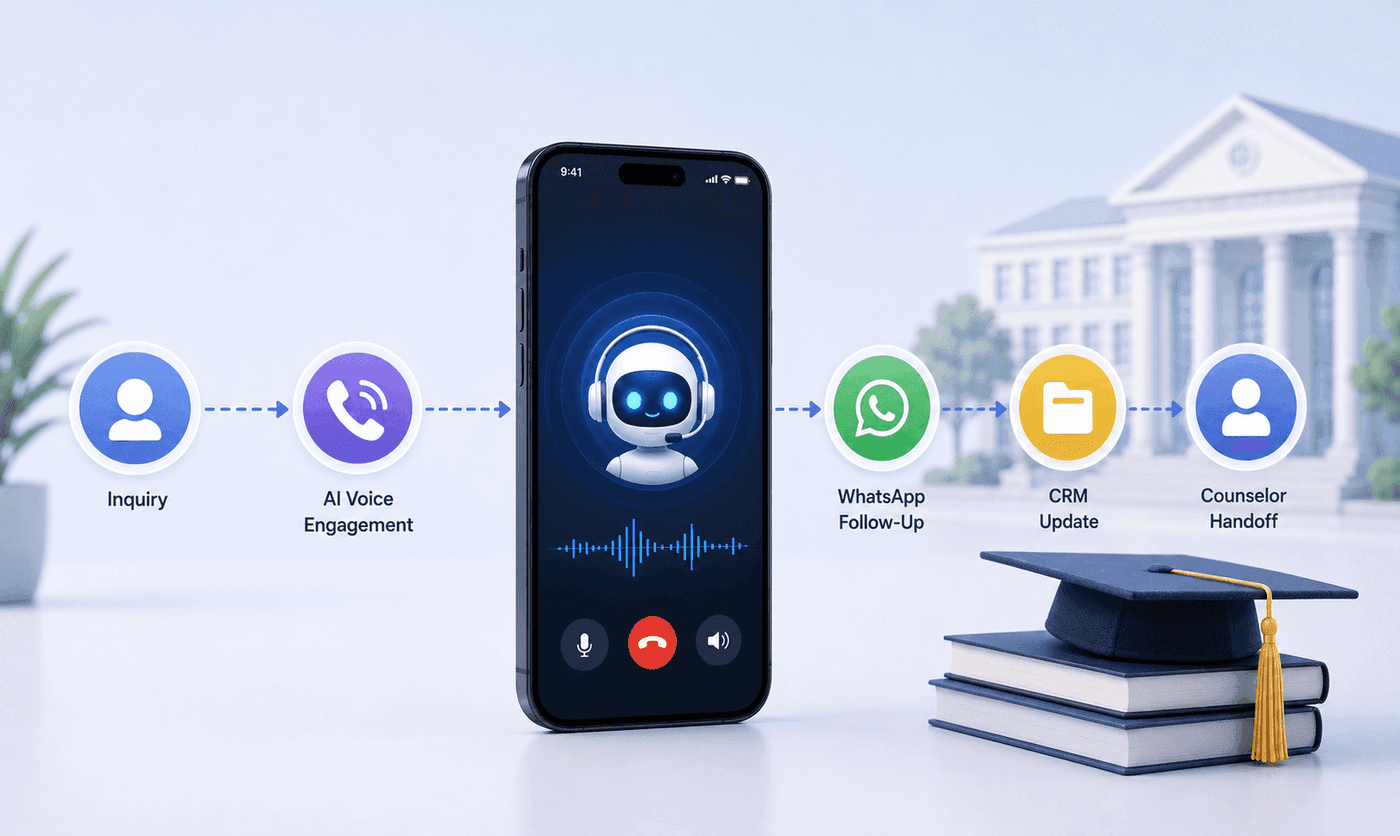
How an Executive Education Institution Automated Its Entire Admissions Workflow Using AI Voice and WhatsApp
How an executive education institution automated admissions from first call to counselor handoff with AI voice, WhatsApp, and CRM syncing.
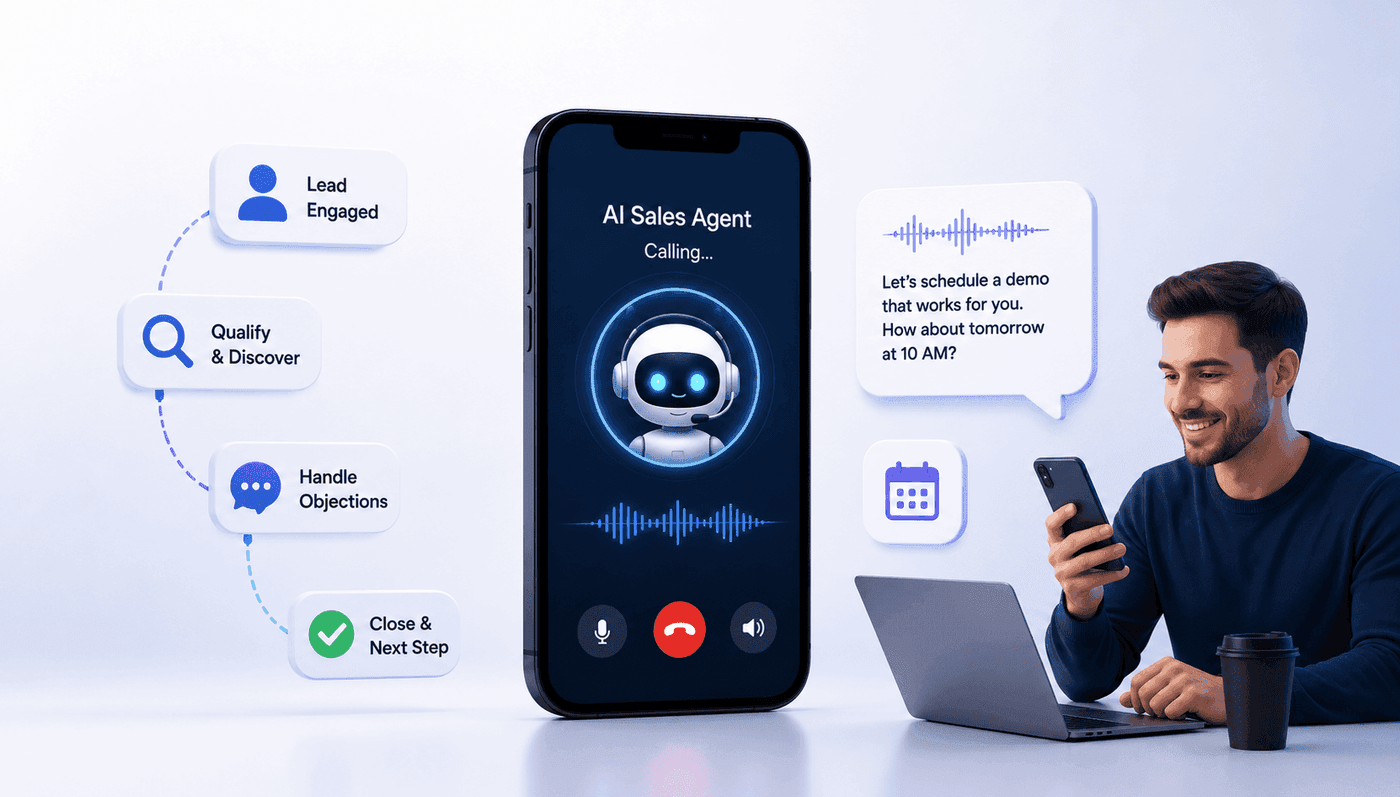
How a Music Academy Uses AI Voice Agents to Qualify Leads and Close Sales
How a music academy deployed AI voice agents to automate lead qualification, schedule trial classes, and boost course enrollments.
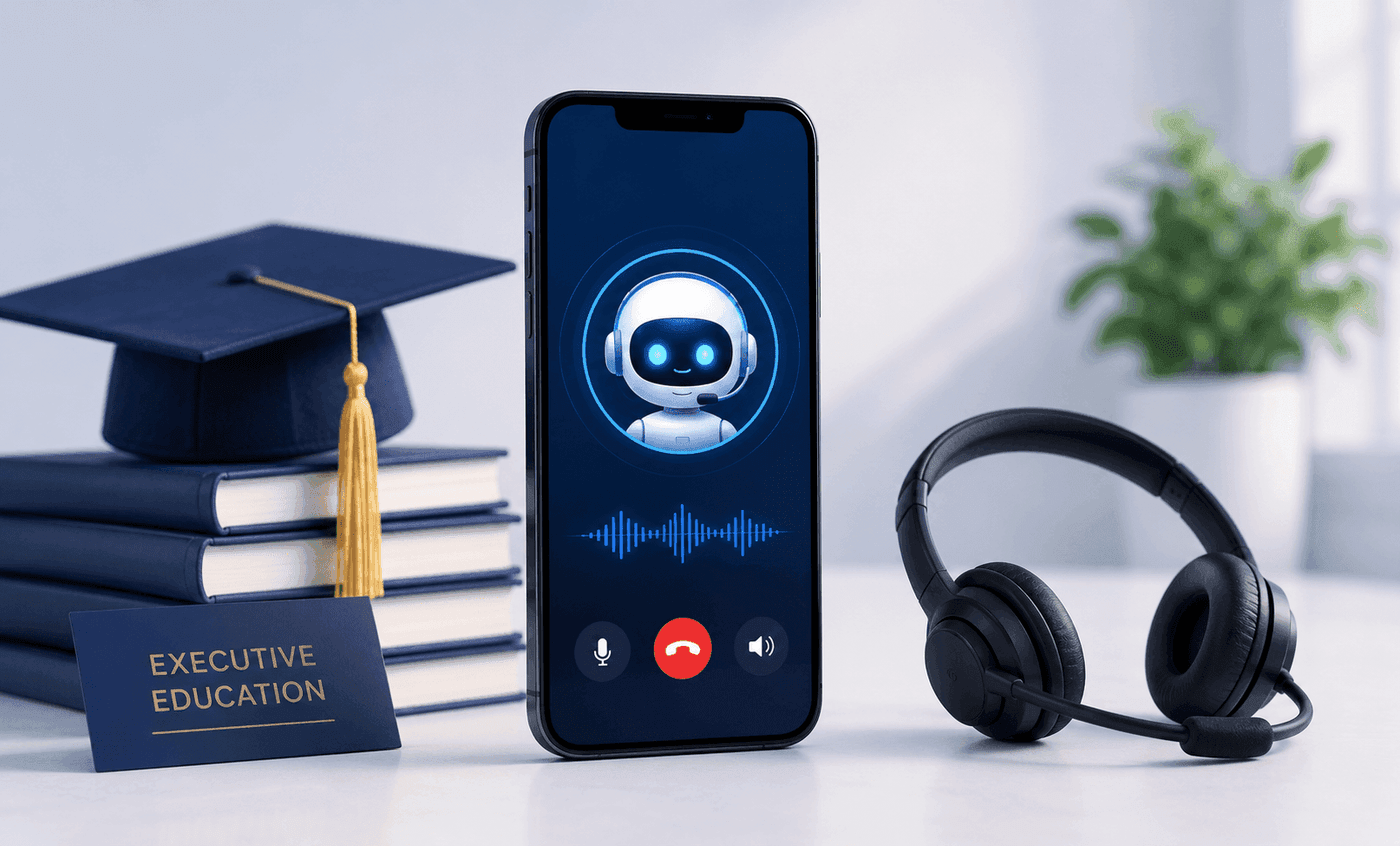
How an Executive Education Provider Is Using AI Voice Agents to Qualify 10,000 Leads a Month
How an executive education provider used AI voice agents to qualify 10,000 leads a month, automate screening, and boost admissions.