AI for Insurance HR: Boost Efficiency & Agent Support
Is your insurance HR team overwhelmed? Learn how AI tools, like WhatsApp agents, streamline repetitive tasks and improve the employee experience.

Share This Article
Table of Contents
Why Traditional Benefits Communication Falls Short
The classic "set it and forget it" approach to benefits communication is fundamentally broken. Relying solely on a dense benefits guide emailed once a year creates a significant disconnect between the value you offer and what employees actually perceive. This method fails because it ignores the modern employee's reality: information overload and a demand for instant, personalized information.
When employees are buried in emails, a generic PDF about complex insurance terms is easily ignored or forgotten. This communication gap is most evident when open enrollment arrives, and your HR team is swamped with repetitive questions that were technically answered in the guide. The result is a frustrated workforce that doesn't understand or use their benefits, leading to poor ROI and a missed opportunity to boost employee satisfaction and retention.
The Problem with Information Overload
Today's employees navigate a constant stream of information from emails, team chats, and project management tools. A one-off, text-heavy benefits announcement simply doesn't cut through the noise. It treats benefits as a low-priority, administrative task rather than an integral part of the employee experience. This passive approach forces employees to become experts on complex topics like deductibles and HSAs on their own, often leading to confusion and inaction.
One-Size-Fits-All Messaging Doesn't Resonate
Your workforce is diverse, with varying needs and priorities. A recent graduate has different concerns than an employee nearing retirement or one starting a family. Sending everyone the same generic message about the 401(k) plan ignores these crucial differences. Without segmentation and personalization, the communication feels irrelevant. Employees disengage when they can't easily see how a specific benefit applies directly to their life stage and personal goals, missing out on valuable perks.
A Modern Framework: The 4 Pillars of Effective Communication
To truly connect with employees, HR leaders must shift from broadcasting information to creating an ongoing, strategic conversation. A modern framework for employee benefits communication is built on four key pillars: Clarity, Consistency, Personalization, and Accessibility. By integrating these principles, you transform your benefits program from a complex document into a tangible, valued part of your company culture.
This strategic approach isn't about sending more emails; it's about sending the right message through the right channel at the right time. It acknowledges that benefits are a year-round asset, not just an annual chore. Mastering these pillars ensures your investment in benefits translates directly into higher employee engagement and satisfaction.
Pillar 1: Clarity & Simplicity
Jargon is the enemy of engagement. Terms like "co-insurance," "out-of-pocket maximum," and "vesting schedule" can be intimidating. Effective communication translates these complex concepts into simple, human language. Use analogies, real-world examples, and visuals to explain how benefits work in practice. For instance, describe a health plan by outlining what an employee would actually pay for a routine doctor's visit versus an emergency room trip.
Pillar 2: Multi-Channel Consistency
Relying on a single channel guarantees you'll miss a large portion of your audience. A robust strategy uses a mix of channels that work in harmony.
- Email: For detailed announcements and official timelines.
- Slack/Teams: For quick reminders, Q&A sessions, and sharing links.
- Intranet/Benefits Portal: As the single source of truth for all documents and tools.
- Webinars & In-Person Sessions: For interactive deep dives and complex topics.
The key is to maintain a consistent message across all platforms, reinforcing key information without simply repeating it.
Pillar 3: Personalization & Segmentation
Your employees aren't a monolith. Segment your communications based on relevant data points to make messages more impactful. Create targeted campaigns for different groups, such as:
- New Hires: A welcome series explaining how to enroll for the first time.
- Parents: Highlighting childcare benefits, dependent care FSAs, and parental leave policies.
- Pre-Retirement: Focusing on catch-up contributions and retirement planning resources.
This shows employees you understand their unique needs and are proactively providing relevant information.
Creating a Year-Round Benefits Communication Calendar
Effective benefits communication is a marathon, not a sprint confined to the weeks before open enrollment. A year-round calendar transforms benefits from a once-a-year event into an ongoing part of the employee experience. This proactive approach keeps benefits top-of-mind, encourages utilization of wellness perks, and significantly reduces the last-minute scramble during the enrollment period.
By planning your communications quarterly, you can focus on different themes and avoid overwhelming employees. This steady drumbeat of information ensures your team understands the full value of their package and knows how to use it when they need it most. It’s about building awareness and confidence throughout the year.
Q1: New Year, New Benefits
The start of the year is the perfect time to reinforce the choices employees just made. Send personalized confirmation summaries of their selected benefits. Use this quarter to highlight wellness-related perks like gym reimbursements or mental health support, tying them to New Year's resolutions. This is also a great time to introduce any new vendors or platforms and remind employees how to access their ID cards and find in-network providers.
Q2: Financial Wellness & Mid-Year Check-in
Focus this quarter on financial benefits. Share educational content about maximizing 401(k) contributions, understanding HSAs, or using financial planning services. A mid-year check-in is also a good opportunity to remind employees about any benefits with a use-it-or-lose-it component, like FSA funds. This proactive nudge can help prevent employees from forfeiting their hard-earned money and demonstrates the company’s commitment to their financial well-being.
Q3: Preparing for Open Enrollment
This is your pre-game season. Don't wait until October to start the conversation. In Q3, begin teasing any upcoming changes to the benefits plan. Run surveys to gather feedback on current offerings to inform your strategy. Host educational sessions on "How to Choose the Right Health Plan for You." This groundwork demystifies the process and empowers employees to make informed decisions long before the deadline pressure hits.
Q4: Open Enrollment & Post-Enrollment Support
Q4 is go-time. Launch a concentrated multi-channel campaign with clear timelines, decision-support tools, and easy access to help. This is when you deploy all your resources, from webinars to drop-in office hours. Immediately after enrollment closes, shift focus to post-enrollment support. Provide clear instructions on what to expect next, such as when new ID cards will arrive and when deductions will appear on paychecks, ensuring a smooth transition into the new plan year.
Leveraging Technology for Personalized, 24/7 Support
Manually managing benefits questions is unsustainable for lean HR teams. Technology is the key to scaling your communication efforts, providing personalized support, and freeing up your team for more strategic work. Modern tools can automate reminders, centralize information, and—most importantly—provide employees with the instant answers they now expect.
The goal is to meet employees where they are, with the information they need, exactly when they need it. This could be a new parent researching parental leave at 10 PM or a remote employee in a different time zone trying to understand their dental plan. By embracing technology, you create a more efficient and supportive benefits ecosystem that serves the entire workforce, not just those who work a traditional 9-to-5.
Creating a Centralized Benefits Hub
Your intranet or a dedicated benefits portal should be the ultimate source of truth. This hub eliminates the need for employees to search through old emails or shared drives for information. It should house everything: plan documents, provider search tools, cost calculators, video tutorials, and links to vendor websites. A well-organized, easy-to-navigate portal empowers employees to find answers independently, reducing repetitive inquiries and building their confidence in managing their own benefits.
Providing Instant Answers with AI-Powered Support
Even with a great portal, employees will still have specific questions. An AI-powered agent can provide immediate, accurate answers 24/7. Integrating this support on a platform employees already use, like WhatsApp, removes friction and makes getting help effortless. Instead of submitting a ticket and waiting, an employee can simply ask, "How much is left in my FSA?" or "Is my chiropractor in-network?" and get an instant response, dramatically improving the employee experience and reducing the burden on your HR team.
How to Measure the Success of Your Communication Strategy
You can't improve what you don't measure. A successful employee benefits communication strategy is data-informed, allowing you to prove its value and identify areas for improvement. Moving beyond anecdotal evidence requires tracking both quantitative metrics and qualitative feedback. This data provides a clear picture of what's working and what isn't, enabling you to refine your approach and demonstrate a tangible return on investment to leadership.
By consistently measuring the impact of your efforts, you can make smarter decisions about where to invest your time and resources. This ensures your strategy evolves with the needs of your workforce and continues to drive meaningful engagement with the benefits you work so hard to provide.
Key Quantitative Metrics to Track
Hard data tells a powerful story about employee behavior. Focus on metrics that directly reflect engagement and understanding.
- Benefit Adoption Rates: Are employees enrolling in key voluntary benefits like vision, dental, or HSAs?
- Help Desk Ticket Volume: Has the number of repetitive, basic questions decreased since launching your new communication plan?
- Portal/Hub Traffic: Are employees visiting the benefits information hub? Which pages are most popular?
- Email Open/Click-Through Rates: Which messages are resonating most with your audience?
Gathering Qualitative Feedback
Numbers tell you what is happening, but qualitative feedback tells you why. Use simple tools to understand the employee perspective.
- Pulse Surveys: After open enrollment, send a short survey asking employees about their experience. Did they feel informed? Was the process easy?
- Focus Groups: Gather small groups of employees from different departments or life stages to discuss their understanding of the benefits package.
- Direct Feedback: Encourage managers to share common questions or points of confusion they hear from their teams.
Related Case Studies
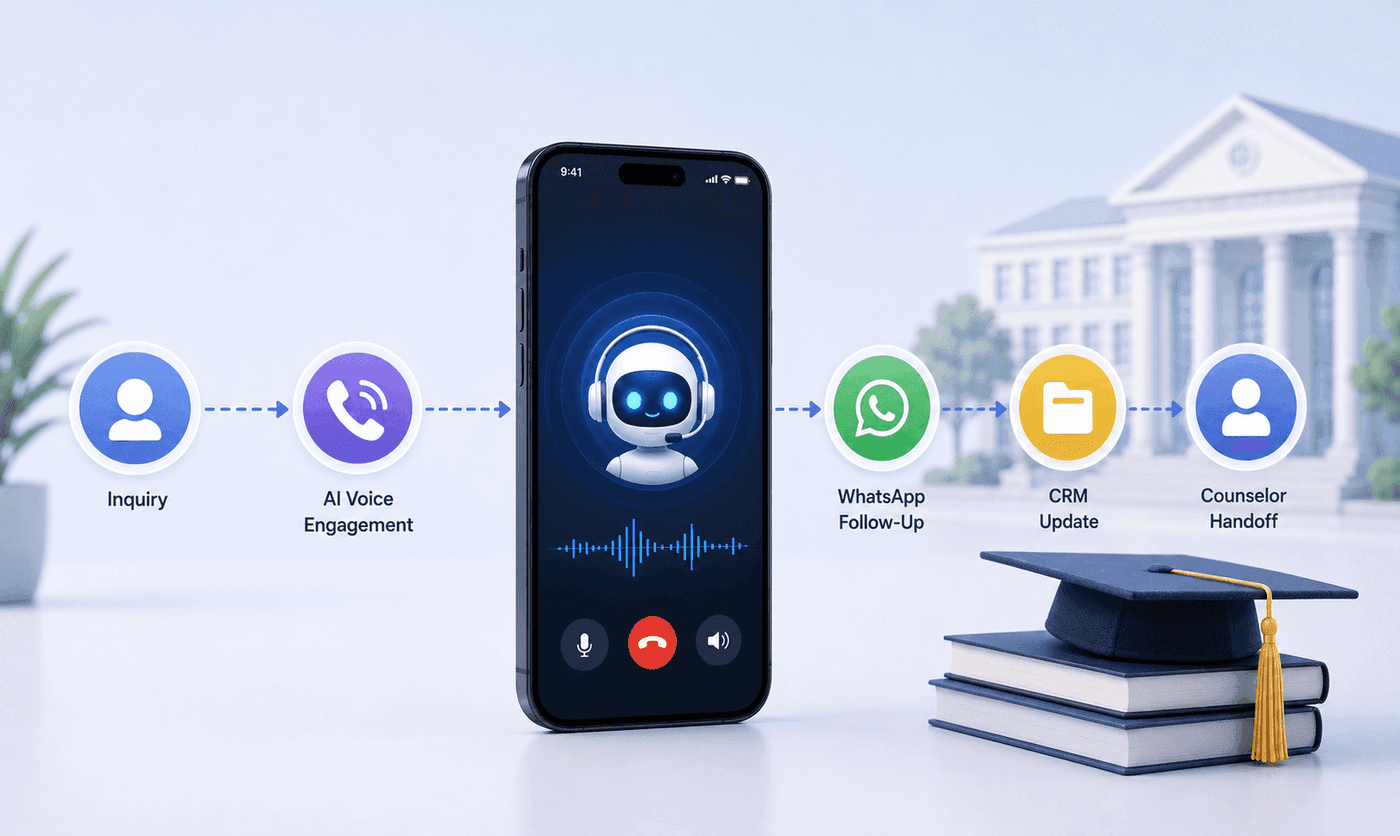
How an Executive Education Institution Automated Its Entire Admissions Workflow Using AI Voice and WhatsApp
How an executive education institution automated admissions from first call to counselor handoff with AI voice, WhatsApp, and CRM syncing.
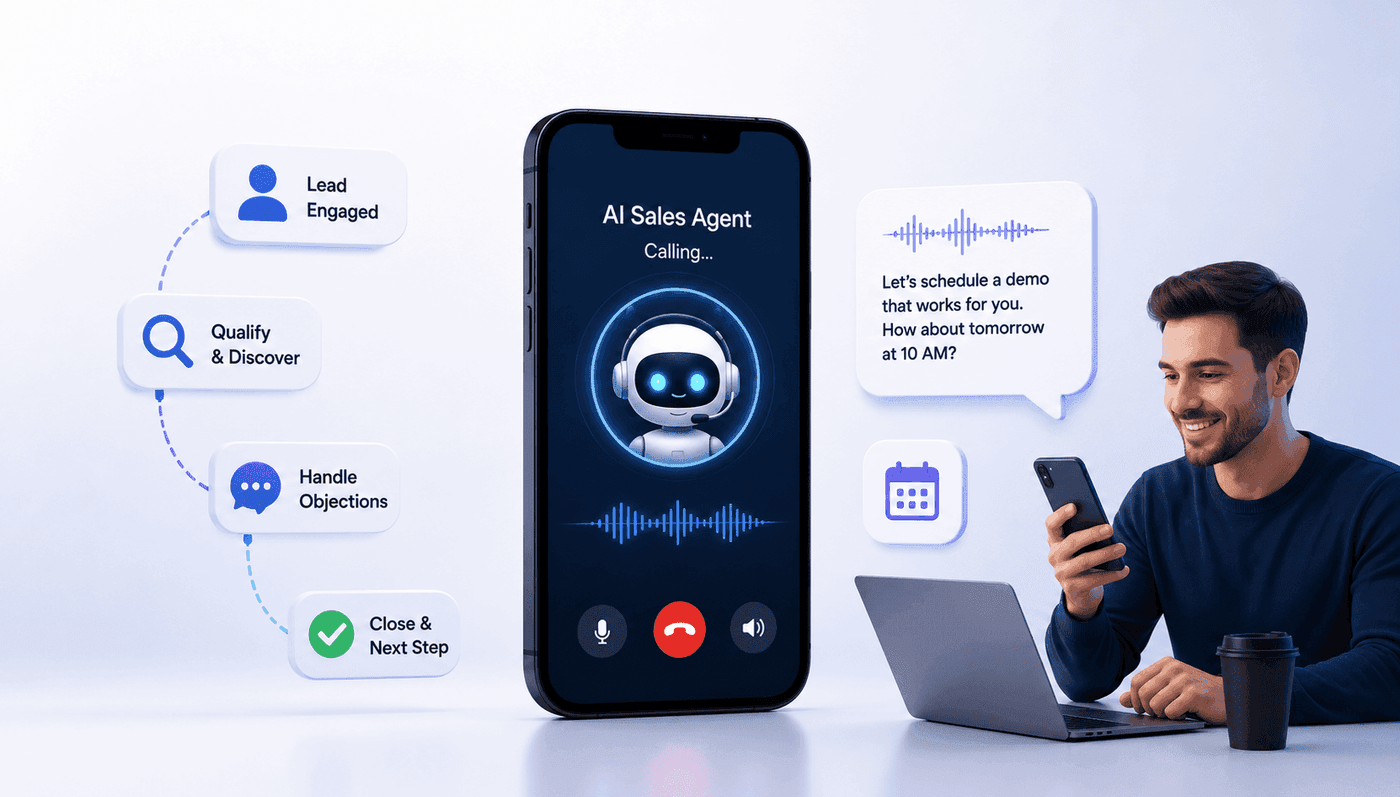
How a Music Academy Uses AI Voice Agents to Qualify Leads and Close Sales
How a music academy deployed AI voice agents to automate lead qualification, schedule trial classes, and boost course enrollments.
How an Executive Education Provider Is Using AI Voice Agents to Qualify 10,000 Leads a Month
How an executive education provider used AI voice agents to qualify 10,000 leads a month, automate screening, and boost admissions.