Automate Edtech Lead Qualification to Scale Admissions
For edtech admissions teams struggling with high lead volume: learn how student recruitment automation helps you qualify leads instantly & boost.

Share This Article
Table of Contents
The Hidden Costs of Manual Lead Qualification
The challenge with manual lead qualification isn't just that it's slow; it's that it actively harms your student acquisition efforts. Every minute your admissions team spends chasing a dead-end lead is a minute they aren't speaking with a high-intent applicant. This delay has a compounding negative effect on your enrollment funnel. The cost per lead (CPL) skyrockets when you factor in the wasted hours, and your team’s capacity to handle a high volume of student inquiries is severely limited.
This traditional approach creates a reactive environment where your team is always playing catch-up. Instead of strategically nurturing the most promising prospective students, they are bogged down in repetitive, low-value tasks. This inefficiency directly impacts conversion rates, as motivated applicants often choose the institution that responds first with relevant information.
Why Speed to Lead is Critical in Student Recruitment
In the competitive education market, the first meaningful conversation often wins the enrollment. Research consistently shows that improving lead response time dramatically increases conversion rates. When a prospective student fills out a form, their interest is at its peak. Waiting hours—or even days—for a callback gives them ample time to research competing programs, lose interest, or be contacted by another institution. An immediate, personalized response acknowledges their inquiry and sets a professional, attentive tone for your brand, making them feel valued from the very first interaction.
The Vicious Cycle of Low-Quality Inquiries
Pouring marketing budget into channels like Google Ads without a proper filtering system creates a flood of unqualified inbound leads. Your admissions team then wastes valuable time manually sifting through inquiries from individuals who lack the required academic background, can't afford the tuition, or were simply browsing. This drains resources and creates a negative feedback loop: the marketing team is judged on lead volume, not quality, and the admissions team becomes demoralized by the poor quality, further slowing down the entire enrollment funnel.
The Impact on Your Admissions Team's Morale
Forcing highly-skilled admissions counselors to act as manual filters is a recipe for burnout. Their expertise lies in building relationships, guiding applicants, and closing enrollments—not in making hundreds of repetitive discovery calls to disqualify leads. When the majority of their day is spent on fruitless conversations, job satisfaction plummets and turnover increases. Automating the initial qualification frees your team to focus on the high-impact, human-centric work they were hired to do, boosting both morale and results.
Defining Your Ideal Student Profile: The First Step to Automation
Before you can automate anything, you must clearly define what a "qualified lead" looks like for your specific institution and programs. Without a precise definition, your automation will be ineffective, simply moving unqualified leads through the pipeline faster. This foundational step involves collaborating with marketing, admissions, and academic departments to create a unified profile of a student who is not only interested but also has a high probability of enrolling and succeeding.
This profile goes beyond simple demographics. It should encompass academic prerequisites, financial readiness, geographic location, and demonstrated intent. By codifying these attributes, you create the rules that will power your automated student recruitment automation system, ensuring it correctly identifies and prioritizes the best-fit candidates.
Identifying Key Qualification Criteria (BANT for Edtech)
The classic BANT (Budget, Authority, Need, Timeline) sales framework can be adapted for qualifying leads for higher education:
- Budget (Funding): Can the applicant afford the tuition and associated costs? Have they secured loans, scholarships, or other funding?
- Authority (Decision-Makers): Is the prospective student the primary decision-maker, or do parents or sponsors need to be involved?
- Need (Program Fit): Does our program align with their career goals and academic background? Do they meet the minimum prerequisites?
- Timeline (Enrollment Readiness): Are they looking to enroll in the next intake period, or are they just gathering information for the future?
Differentiating Between MQLs and SQLs in Education
Understanding the difference between a Marketing Qualified Lead (MQL) and a Sales Qualified Lead (SQL) is crucial for an efficient enrollment funnel.
- MQL (Marketing Qualified Lead): A prospective student who has shown initial interest, like downloading a brochure or attending a webinar. They are curious but not yet vetted for program fit.
- SQL (Sales/Admissions Qualified Lead): An MQL who has been vetted (often through automation) and meets the key qualification criteria. They have confirmed their interest, eligibility, and readiness to speak with an admissions counselor.
This distinction prevents the admissions team from wasting time on MQLs and ensures they only engage with high-intent SQLs.
Creating a Lead Scoring Model for Your Funnel
A lead scoring model assigns points to prospects based on their attributes and actions, providing a data-driven way to prioritize follow-up. For example, a lead from a specific geographic region might get +5 points, while someone who attended a live Q&A session gets +15. A prospect who explicitly confirms they have funding secured could get +25. Once a lead reaches a certain threshold (e.g., 50 points), they are automatically flagged as an SQL and routed to the admissions team, ensuring the most valuable leads get immediate attention.
Building Your Automated Qualification Engine
An automated qualification engine is a system that works 24/7 to engage, qualify, and route leads without manual intervention. The goal is not to replace your admissions team but to augment them, ensuring they spend their time on revenue-generating conversations. This modern edtech sales qualification process is built on three core pillars: instant engagement, intelligent questioning, and a seamless handoff. When implemented correctly, this engine acts as a powerful front line, managing the high volume of initial inquiries and delivering only the best prospects to your team.
This system ensures no lead goes cold. Whether an inquiry comes in at 2 AM on a Sunday or during a busy workday, it receives an immediate and helpful response, dramatically improving the applicant experience and your conversion rates.
Step 1: Instant Engagement with Automated Outreach
The moment a prospective student submits a form, the clock starts ticking. An automated system can trigger an immediate response via SMS or email, confirming receipt and setting expectations for the next steps. For example: "Hi [Name], thanks for your interest in our Data Science program! I’m the automated assistant for a CBU admissions advisor. To connect you with the right person, do you have 2 minutes to answer a few quick questions?" This instant acknowledgment satisfies the applicant's need for a prompt reply and smoothly transitions them into the qualification process.
Step 2: Using Conversational AI to Ask Qualifying Questions
This is where the magic happens. The automated system engages the lead in a natural, two-way conversation to gather key information. It asks the critical qualifying questions you defined earlier:
- "Are you planning to enroll this fall or next year?" (Timeline)
- "This program requires a bachelor's degree in a related field. Have you completed this prerequisite?" (Need/Fit)
- "Are you a domestic or international applicant?" (Logistics/Eligibility)
The AI can understand intent and variations in responses, making the interaction feel human-like while systematically checking off qualification criteria.
Step 3: Seamless Handoff to Your Admissions Team
Once a lead is qualified, the system must ensure a smooth transition. The automation can instantly book a meeting on the appropriate counselor's calendar based on program specialty and availability. Simultaneously, it pushes all the collected data and conversation transcripts directly into your CRM integration, like Slate or Salesforce. Your admissions counselor enters the call fully prepared, with all the context they need, allowing them to have a much deeper, more effective conversation from the very beginning.
Optimizing Your Top-of-Funnel Channels for Quality
Automation is most effective when you're feeding it high-quality leads from the start. While your qualification engine can filter out the noise, optimizing your marketing channels to attract better-fit applicants reduces waste and lowers your overall cost per lead (CPL). This means going beyond simple lead generation and focusing on lead quality at the source. Whether you're running Google Ads campaigns or creating content, the goal is to set clear expectations and attract individuals who are genuinely aligned with your programs.
By fine-tuning your messaging and targeting, you can pre-qualify prospects even before they click "submit." This strategic approach ensures your marketing spend is more efficient and your automated system has a stronger base of inquiries to work with, ultimately scaling edtech pre-sales operations.
Improving Google Ads Lead Quality for Schools
Many schools struggle with Google Ads lead quality, getting form fills from people who are not serious or eligible. To fix this, use more specific ad copy and keywords that mention prerequisites, program outcomes, or tuition expectations. Utilize negative keywords to exclude searches from unqualified individuals (e.g., "-free," "-online if you don't offer it"). Furthermore, an AI-powered system can call and qualify leads from Google Ads in real-time, instantly weeding out the bad fits and ensuring your team only talks to the best prospects you paid for.
Qualifying Inbound Leads from Social Media and Content
Leads from content downloads (like e-books or guides) or social media are often less "sales-ready" than those from a direct inquiry form. For these top-of-funnel leads, use a lighter, automated nurturing sequence. An AI assistant can reach out to gauge their level of interest and ask gentle qualifying questions over time. This approach respects their position in the enrollment funnel, building trust and keeping your institution top-of-mind until they are ready to have a more serious conversation with an admissions advisor.
Choosing the Right Pre-Sales Automation Tools
Selecting the right technology is critical to the success of your automated qualification strategy. The market is filled with pre-sales automation tools, but not all are created equal, especially for the unique needs of student recruitment. The ideal platform should not only automate tasks but also enhance the prospective student experience. It needs to be intelligent enough to handle natural conversation, robust enough to integrate with your existing systems, and flexible enough to adapt to your specific qualification criteria.
When evaluating options, focus on the tool’s ability to deliver a seamless, human-like interaction. A clunky or robotic experience can alienate applicants and damage your brand reputation. The goal is to find a solution that feels like a helpful extension of your admissions team.
Chatbots vs. AI Voice Agents: What's the Difference?
While both tools can automate conversations, they serve different purposes. Chatbots are great for answering common FAQs on your website and capturing initial lead information. However, they can feel impersonal and often struggle with complex, multi-part questions.
An AI Voice Agent offers a more personal and effective way to qualify leads, especially for high-value inquiries from channels like Google Ads. A voice agent can proactively call a new lead within seconds, engage them in a natural spoken conversation, and ask nuanced qualifying questions. This immediate, human-like touchpoint is far more engaging than a text-based chat and can dramatically increase qualification rates.
Key Features to Look for in an Automation Platform
When selecting a solution for student recruitment automation, look for these essential features:
- 24/7 Availability: The system must operate around the clock to ensure instant lead response time.
- Omnichannel Communication: It should be able to engage leads via SMS, email, and phone calls.
- Natural Language Processing (NLP): The AI must understand and respond to human conversation accurately.
- CRM Integration: Seamless, native integration with your CRM (like Slate, Salesforce, or Hubspot) is non-negotiable.
- Customizable Logic: You need the ability to easily define and modify your unique qualification questions and lead scoring rules.
Integrating with Your CRM (e.g., Slate, Salesforce)
Your automation tool should not be a data silo. Deep CRM integration is fundamental. The platform must be able to automatically pull new leads from your CRM and, more importantly, push all collected data back in real-time. This includes conversation transcripts, qualification status (MQL vs. SQL), and any scheduled appointments. A strong integration, for example with a specialized higher-ed CRM like Slate CRM, ensures your admissions team has a single source of truth and all the context they need for every single applicant.
Related Case Studies

How an EdTech Founder Reactivated a Dormant Lead Database Using WhatsApp Automation and AI-Assisted Qualification
How an EdTech founder reactivated a dormant inquiry database and acquired customers in week one using WhatsApp outreach and AI qualification.
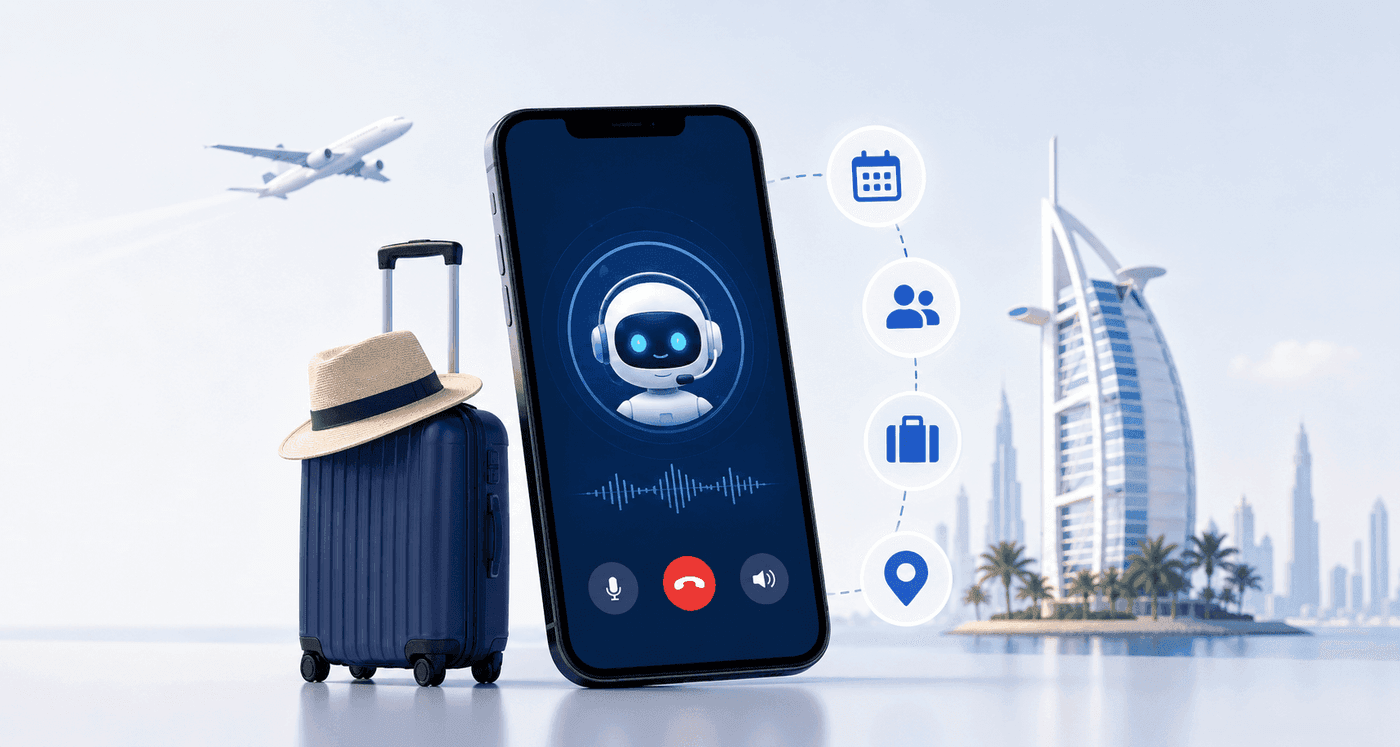
How a Premium Travel Company Uses an AI Voice Agent to Qualify Leads Before Expert Engagement
How a Dubai luxury travel company deployed an AI voice agent to capture requirements, classify intent, and route qualified leads to experts.
How an Executive Education Provider Is Using AI Voice Agents to Qualify 10,000 Leads a Month
How an executive education provider used AI voice agents to qualify 10,000 leads a month, automate screening, and boost admissions.